
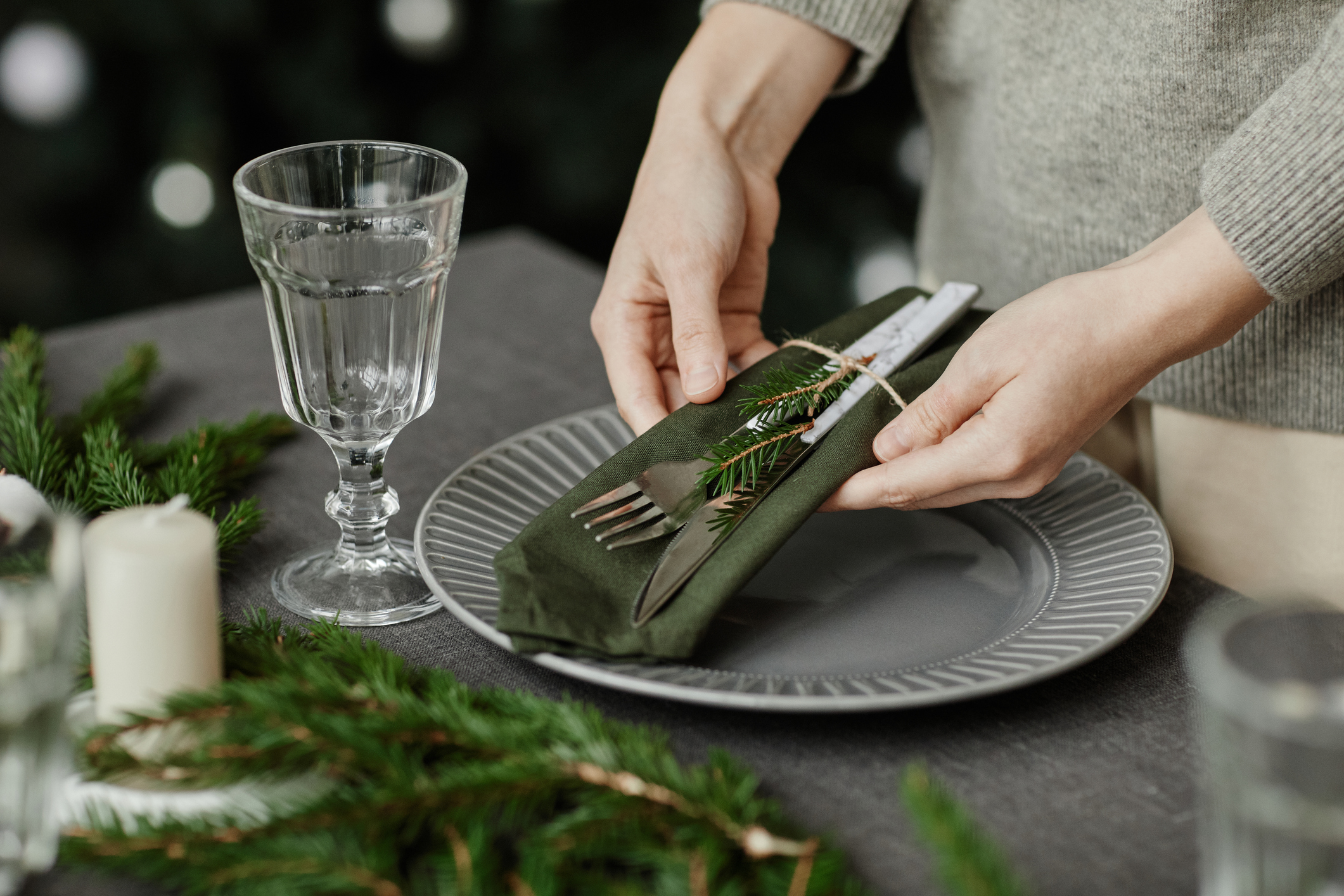
Whether you’re hosting a dinner party or setting the table for family meals, sparkling flatware adds elegance to every dining experience. Tarnish and water spots on silverware detract from even the most carefully prepared meal. When you know how to make your silverware shine with environmentally responsible cleaning methods, it’s easy to keep each piece gleaming for any occasion.
Why It's Important to Clean and Polish Your Silverware
Tarnish on silver is a layer of corrosion that dulls and darkens the metal, and food, high heat, and other factors can accelerate tarnishing. Water spots on stainless steel can leave mineral deposits that may be tough to remove entirely.
Thorough cleaning removes food residue, bacteria, and oils that accumulate on surfaces, ensuring proper hygiene and safety for you and your guests. Consistent maintenance also prevents corrosion and damage.
Know Your Materials: Silver vs. Stainless Steel Silverware
Different types of silverware call for different cleaning and care methods. Stainless steel is typically magnetic, while silver isn’t; however, this isn’t always the case. Silver usually has a more reflective, mirror-like quality and may be marked with “925” or “sterling.”
Sterling Silver or Silver-Plated
Sterling silver and silver-plated pieces require gentle handling. These delicate materials tarnish easily when exposed to air, moisture, and certain chemicals. Silver-plated flatware has a thin layer of silver over base metal, and it’s vulnerable to damage from harsh cleaning products.
When learning how to clean sterling silverware, remember that environmentally responsible, gentle products work best. Harsh chemicals can strip silver plating or cause permanent discoloration. Sterling silver flatware is often reserved for special occasions since frequent use may accelerate tarnish.
Stainless Steel
Stainless steel is durable, tarnish-resistant, and suitable for daily use. While generally dishwasher-safe, stainless steel flatware can develop water spots, cloudy streaks, and fine scratches that dull its appearance.
As you practice how to clean stainless steel silverware, you’ll find it’s more forgiving than silver and responds well to everyday household cleaning products, such as vinegar and baking soda. Many of these products and methods are helpful for cleaning your stainless steel appliances and fixtures.
Everyday Silverware Cleaning Tips
Establishing daily cleaning habits prevents the buildup of tarnish, water spots, and stains, and avoids intensive restoration efforts. Rinse silverware immediately after use to prevent food from drying on surfaces. Acidic foods, such as tomatoes and citrus fruits, can be particularly damaging to silver with prolonged exposure.
For quick daily cleaning of sterling silver or silver-plated items:
- Handwash silverware in warm, soapy water using gentle dish soap and a soft microfiber cloth.
- Pay attention to grooves and decorative details, where food residue often hides.
- Rinse thoroughly with cool water to remove soap film.
- Dry thoroughly with a clean, soft towel to avoid water spots.
- Buff dullness away with a microfiber cloth.
Clean silverware with vinegar three or four times a year to remove tarnish and dullness.
Cleaning Stainless Steel Silverware
The durability of stainless steel allows for more thorough cleaning when water spots or dullness develop. Stainless steel silverware is typically dishwasher-friendly. When loading a dishwasher, place forks and spoons handle-down, but load knives separately with blades pointing down to prevent injuries.
For a more thorough cleaning, start by soaking pieces in warm, soapy water for 10 to 15 minutes to loosen stubborn residue.
To address cloudy spots or light discoloration, create a solution using equal parts water and white distilled vinegar, or apply lemon juice directly to problem areas. The natural acidity cuts through mineral deposits without harsh chemicals. This method also works for cleaning cloudy glassware and other dishware.
After treating, rinse thoroughly and buff with a microfiber cloth using circular motions. For extra shine, apply a very small amount of olive oil and wipe away residue with a clean, dry cloth.
How to Remove Tarnish from Silverware
When gentle cleaning isn’t enough or your silverware has developed significant tarnish, here are a few techniques that restore your silverware’s shine while also preserving its integrity.
DIY Baking Soda and Aluminum Foil Method
Cleaning silverware with baking soda and aluminum foil is a classic method that relies on a chemical reaction to lift tarnish safely. Follow these steps:
- Line a dish with aluminum foil, shiny side up.
- Add boiling water to the pan, at least a few inches deep.
- Dissolve one tablespoon of baking soda per cup of water.
- Arrange tarnished silverware in a single layer without crowding.
- The mixture will bubble as the reaction removes tarnish.
- Leave lightly tarnished pieces for two to three minutes and heavily tarnished silverware for up to 10 minutes.
- Remove carefully with tongs, rinse thoroughly with cool water, and dry immediately.
- Buff with a microfiber cloth.
Vinegar and Baking Soda Soak
This method for cleaning tarnished silverware uses vinegar and baking soda:
- Use three parts baking soda to one part water to make a paste.
- Add a splash of white vinegar to create a mild foaming action.
- Apply the paste to tarnished areas with a soft cloth or toothbrush.
- Let the paste sit for up to 10 minutes to allow the reaction to break down the tarnish.
- Rinse and dry immediately, then buff to restore shine.
This technique is especially well-suited to cleaning silver-plated silverware, which is less durable against abrasive materials or long soaks.
How to Prevent Tarnish and Dullness
Prevention is easier than restoration for silverware maintenance. Try these tips to properly store and care for your silverware:
- Store silverware in dry environments to avoid moisture exposure.
- Wrap silver pieces individually in flannel cloths or acid-free tissue paper.
- Avoid using rubber bands, newspaper, or plastic wrap — these materials trap moisture and can accelerate tarnish and discoloration.
- Lightly polish silver pieces every few weeks, even without visible tarnish.
- Rotate silverware pieces to prevent uneven wear across your collection.
- Don’t let silver soak in water for extended periods.
- Handwash rather than using the dishwasher, and avoid using abrasive cleaning cloths that scratch surfaces.
Prepare for Hosting with Professional Home Cleaning
You handle the table settings, and leave dusting, mopping, and kitchen cleaning to us! The Cleaning Authority helps you get your home dinner party-ready with our regular or one-time cleaning services. Our environmentally responsible cleaning methods leave your home sparkling for special occasions while protecting your family and the environment.
Call (888) 658-0659 or request an estimate online today!