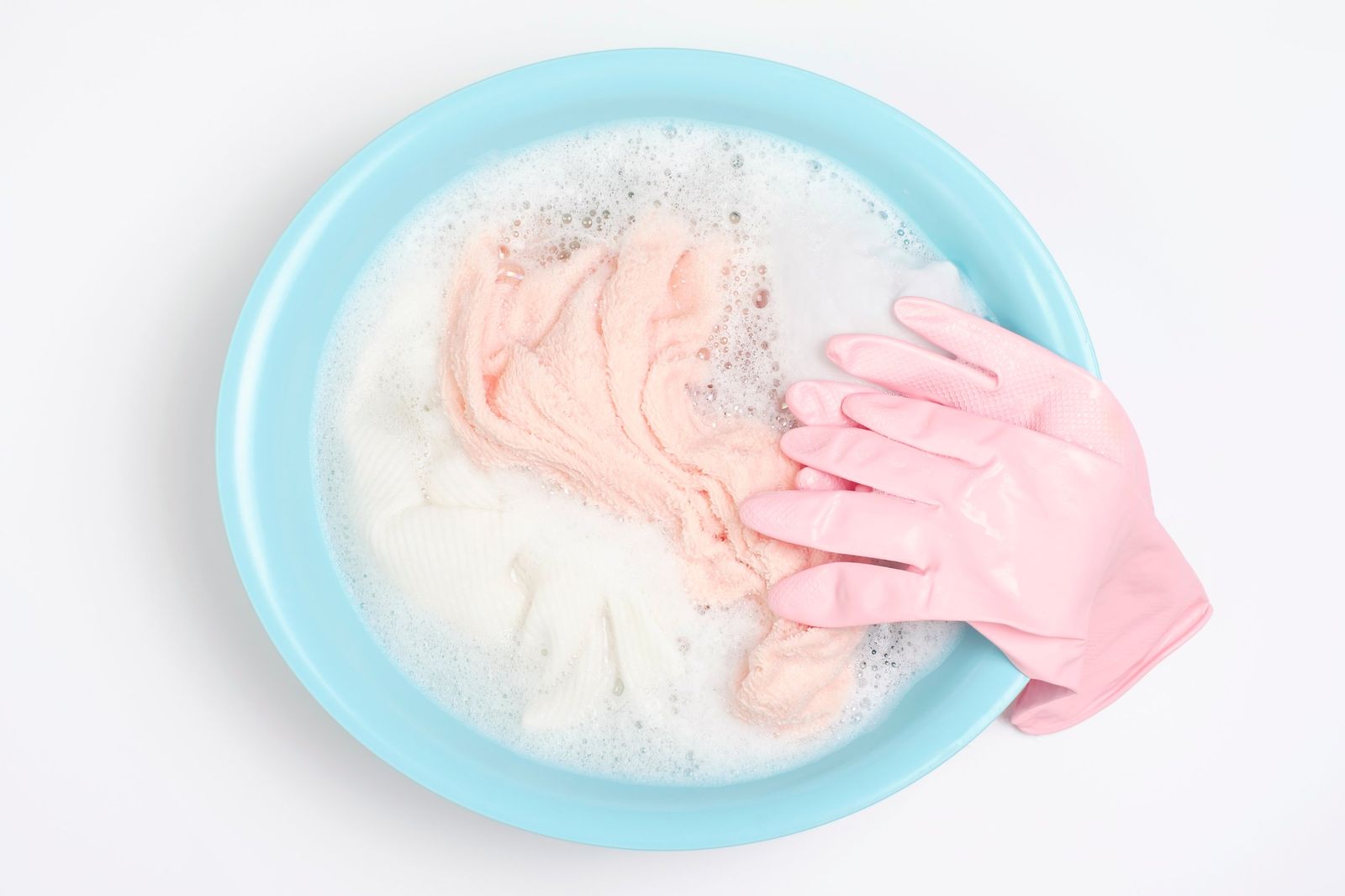
You've seen the videos: supposedly clean towels soak in a bathtub until the water turns brown. That's laundry stripping, a deep-soaking technique intended to remove buildup from fabric. But brown water doesn't automatically mean cleaner laundry. Knowing when this method helps—and when it can damage fabrics—is part of taking better care of your laundry.
What Is Laundry Stripping?
Laundry stripping involves soaking already-washed textiles in hot water, detergent, borax, and washing soda for several hours. The goal is to loosen detergent residue, fabric softener, and body oils. It's sometimes used on sturdy cotton towels or sheets, but it isn't routine maintenance. If your laundry feels stiff or smells stale, try adjusting your washing habits first; these everyday laundry tips offer simpler solutions.
Does Laundry Stripping Actually Work?
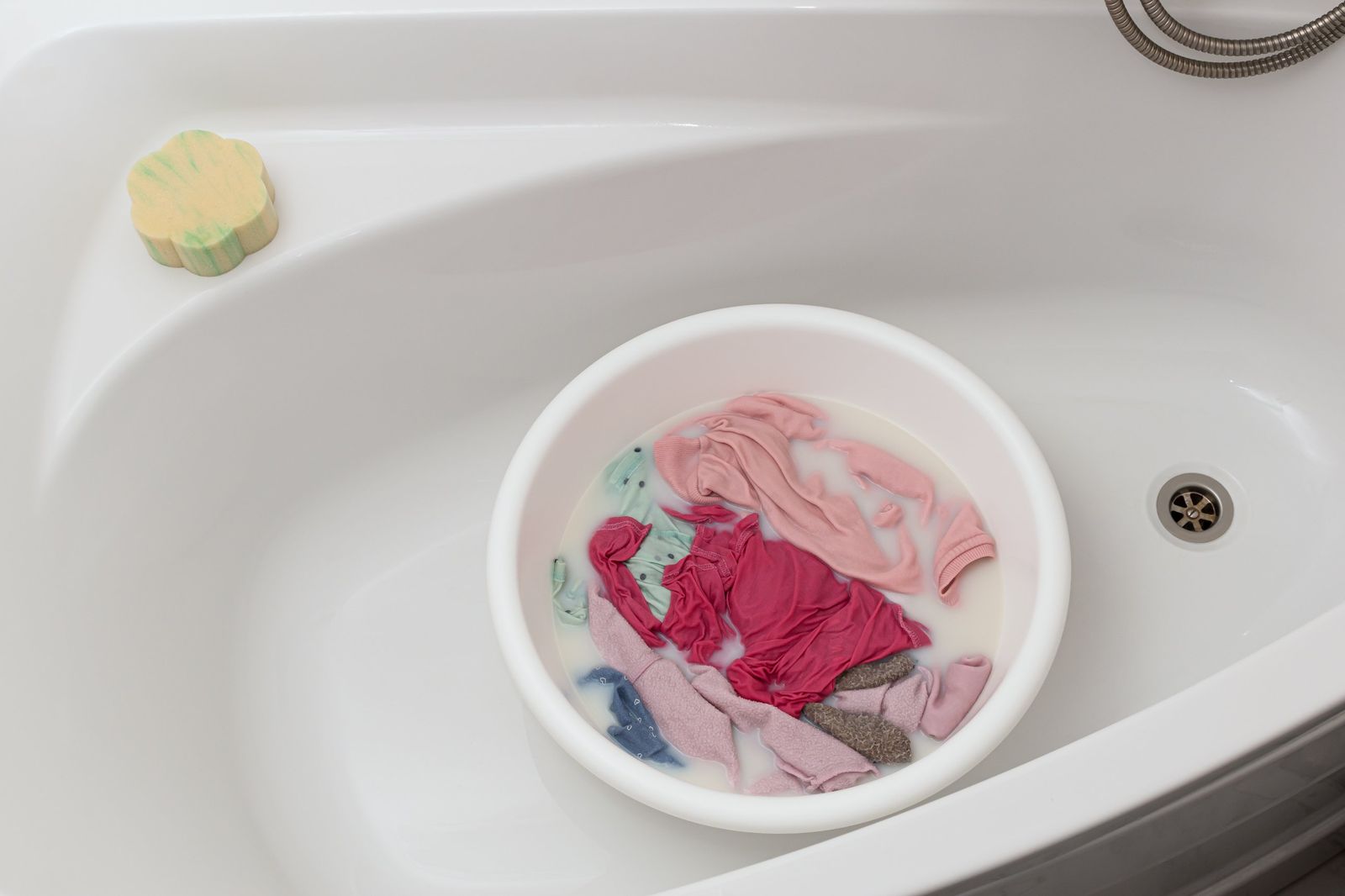
Yes, laundry stripping can loosen some buildup, but it isn't necessary for most laundry. It can loosen some buildup. However, darkened soak water may contain dye as well as residue, so color alone isn't reliable proof of a deeper clean. Laundry stripping also isn't designed to remove individual spots. For grease, food, or other marks, treating stubborn stains individually is a better starting point. The American Cleaning Institute's laundry basics emphasize sorting, care labels, the right detergent, and appropriate wash settings. For most households, those fundamentals are enough.
Laundry Stripping Recipe and Supplies
A traditional laundry-stripping recipe uses:
A clean bathtub or large basin and hot water
¼ cup borax
¼ cup washing soda (sodium carbonate, not baking soda)
½ cup laundry detergent
Rubber gloves
Borax is not necessarily an environmentally responsible ingredient. If you'd rather avoid it, skip stripping and follow routine laundry instructions instead. Follow product labels, and never add bleach or other cleaning solutions. For routine care rather than an intensive soak, choosing suitable laundry supplies can help prevent residue in the first place.
How to Do Laundry Stripping
This is an occasional treatment for sturdy, colorfast, hot-water-safe items—not a recommendation for every load. Check fabric care labels and product directions first. The proportions and soaking method below follow This Old House's laundry-stripping instructions.
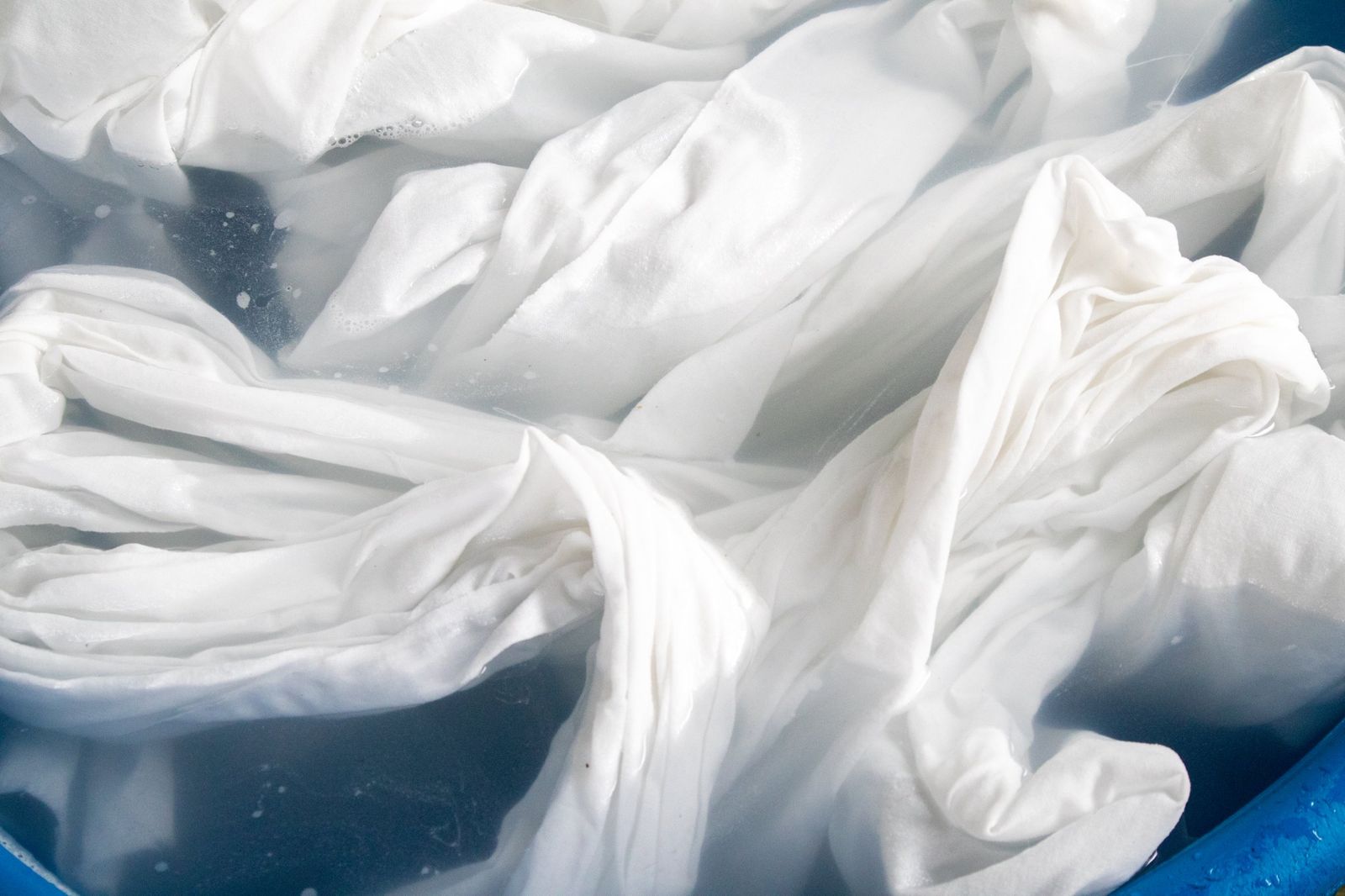
1. Wash first. Start with clean cotton towels or sheets, separating whites from colored items.
2. Fill the basin. Add enough hot water to submerge everything, provided the care labels allow it.
3. Dissolve the ingredients. Stir in the measured borax, washing soda, and detergent. Wear gloves and avoid splashing or inhaling powder.
4. Soak. Submerge the items for around four hours, stirring occasionally. Keep children and pets away from the bath.
5. Rinse and wash. Drain the water, gently squeeze out excess, and run a detergent-free rinse or wash cycle. Choose the right cycle using this washing machine setting guide.
6. Dry. Follow each item's care label. Don't repeat the stripping treatment frequently, even if the water looks discolored.
When Should You Avoid Laundry Stripping?
Delicate or Damage-Prone Fabrics
Skip silk, wool, stretchy fabrics, dry-clean-only garments, and anything that can't tolerate hot water. Prolonged soaking and alkaline ingredients may harm fibers.
Bright, Dark, or Unstable Colors
Dyes can bleed during extended soaking. Iowa State University Extension explains color transfer and why some fabrics lose dye in water. Even for ordinary loads, knowing when to separate laundry helps protect colors.
Hire The Cleaning Authority for a Deeper Home Clean
Fresh laundry is one task; keeping the rest of your home clean is another. The Cleaning Authority provides professional housecleaning services with a Detail-Clean Rotation System® that gives different areas extra attention on a rotating basis. Spend less time on chores and request a free estimate today.